 avi.dev
Just released my first iOS game ever, and this is what I’ve learned
3 min read#Swift#iOS Development#Game Development#SceneKit#ChatGPT
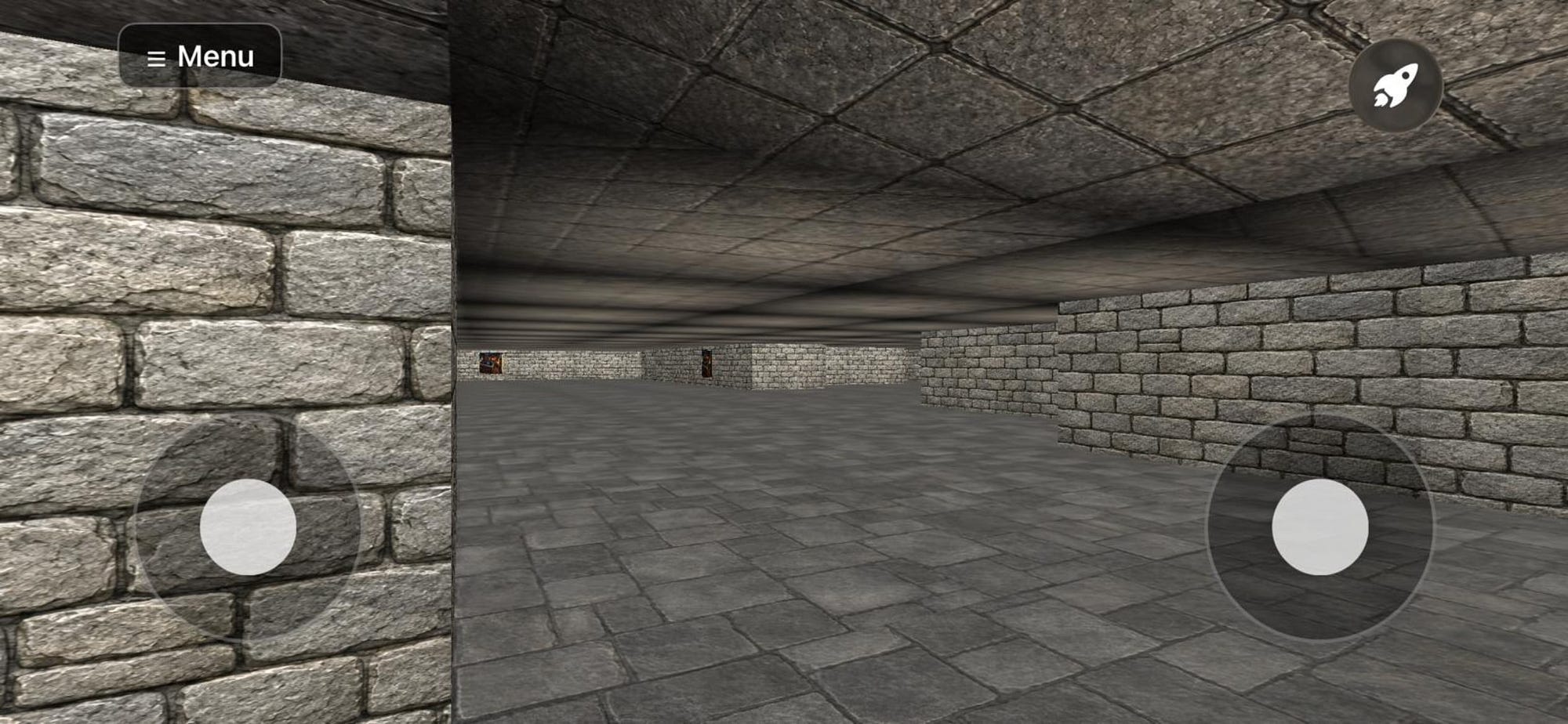
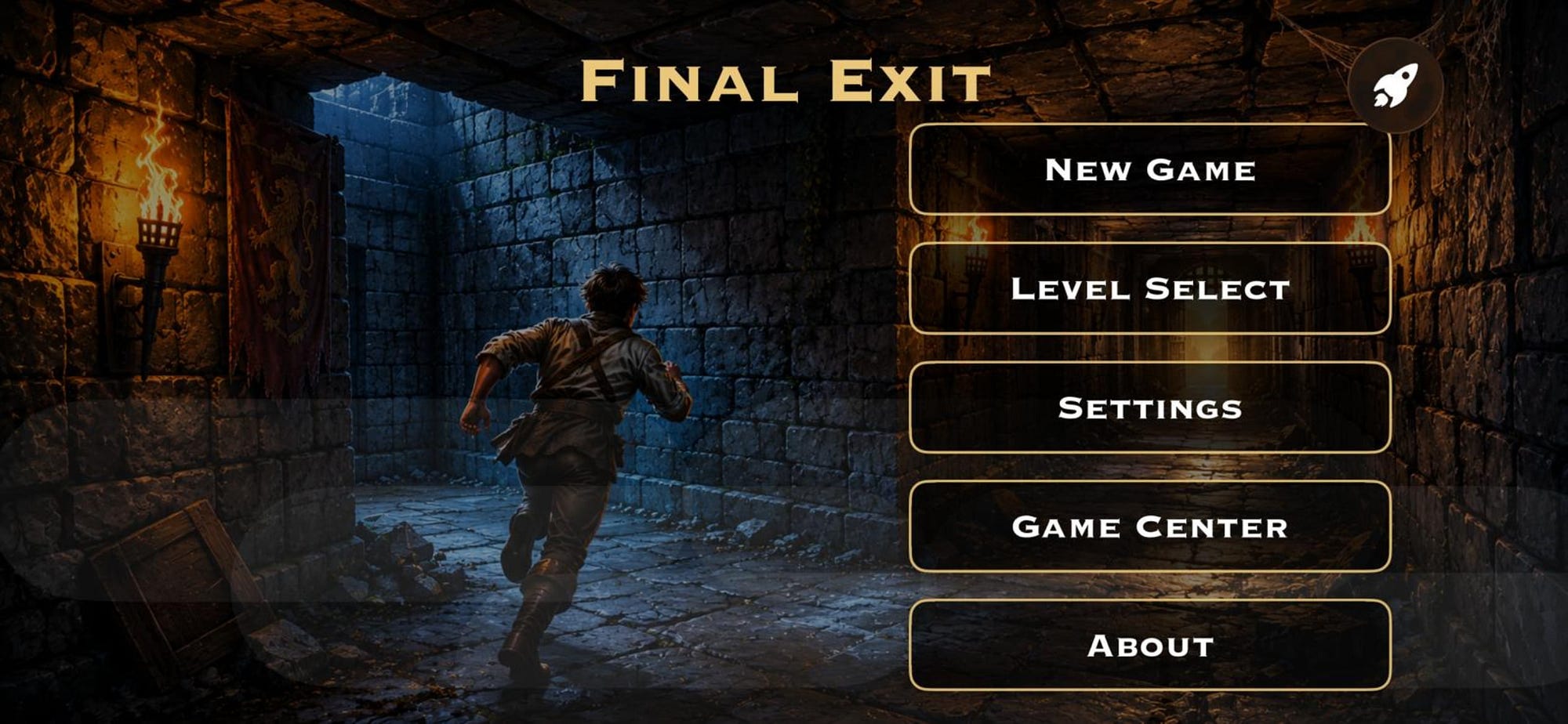
Today I released my first game to the App Store: The Final Exit.
It’s a simple game — the player navigates through 3D mazes, searches for the exit, unlocks new levels with different themes, and progresses until they finish the game.
I’ve been an iOS developer for many years, but I’ve never built a game. Not even tried to.
So I thought my biggest challenge would be programming.
But it wasn’t.
Programming is no longer the bottleneck
We all know this already, but working on this project made it much more tangible: with modern AI tools, writing code is often the easiest part of the process.
I built the entire game using Swift, SceneKit, Xcode, and ChatGPT. No — not even Codex. Just plain ChatGPT in the browser and a lot of copy-paste.
That’s it.
A few years ago, creating a 3D game alone would have felt overwhelming. Today, it is not only achievable, it almost feels silly not to do it if that’s something you’ve always wanted to build.
I no longer need to ask myself whether I can build it. The real challenge is deciding what to build.
Creativity has become more valuable
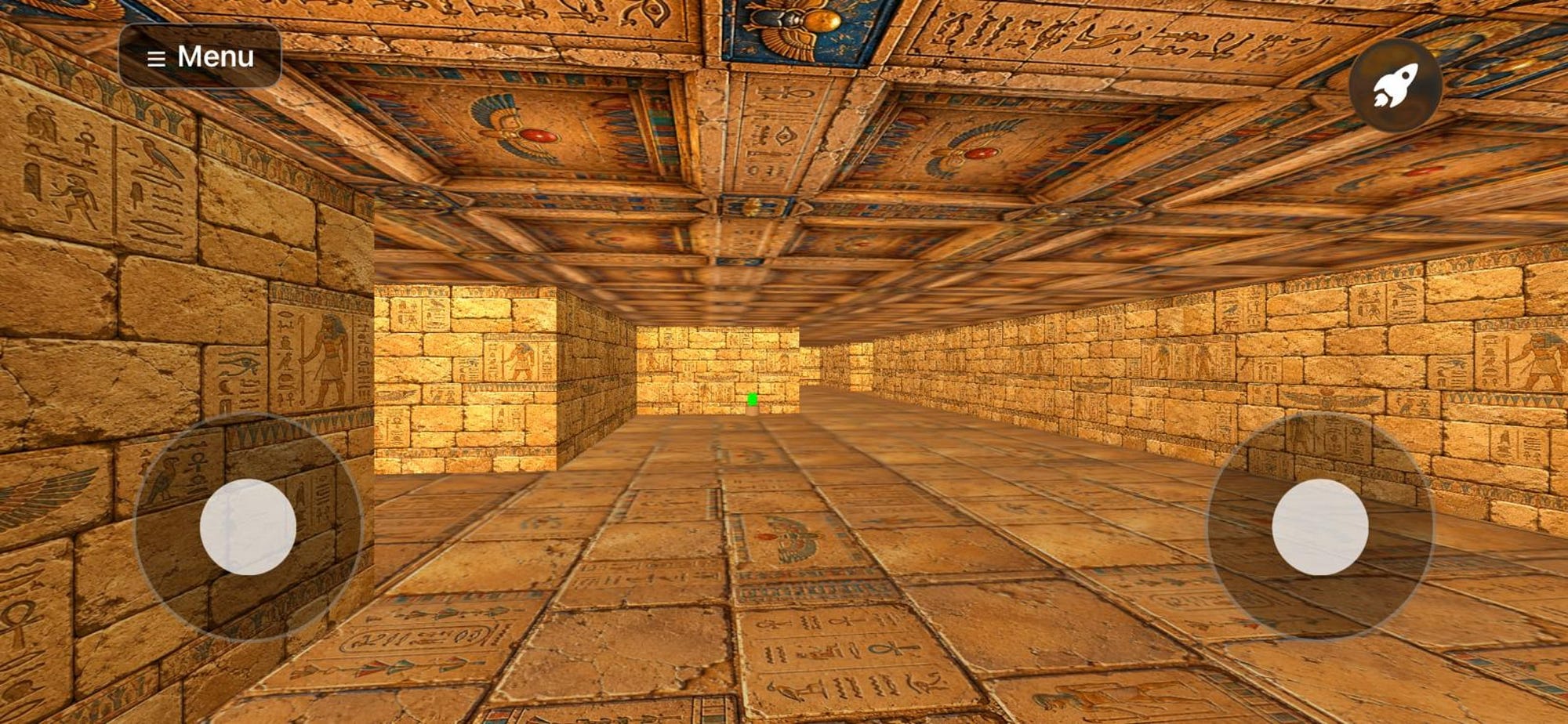
AI can generate code, explain frameworks and tools, debug problems, and even generate textures and marketing materials.
But AI cannot decide what is worth creating.
More than any app I’ve worked on before, building a game is all about creativity — the levels, the animations, the visual style, the feeling of progression, the fun, and the story itself.
These are areas where AI can help, but the decisions are still mine.
And that’s what makes them interesting.
Assets matter more than I expected
Unlike standard apps, where code is often the hardest part, content creation becomes the heavy lift and consumes a surprising amount of time.
It’s not just textures, icons, thumbnails, and sound effects.
It’s also the maze itself. The world that I create for the player.
Not only do I need to create the story, but I also need to visualize it.
Managing all of these assets is a capability I wasn’t used to from my previous projects, and it turned out to be a much bigger part of game development than I expected.
Infrastructure beats features
This is probably the lesson I’ll take with me to future projects.
The important part of building a game is the infrastructure.
Once I built good infrastructure — asset management, the Maze Editor Mac app I created, rendering, collision handling, progress tracking, and input handling — adding new features became dramatically easier.
Adding a level? A few minutes of work.
Adding a new pickup item? Extremely easy.
Adding a new theme? Mostly content work.
The same principle exists in app development. NavigationStack, Lists, reusable components, networking layers, and design systems are all forms of infrastructure. They allow us to move faster and focus on the actual product.
The better the infrastructure, the faster everything else becomes.
Games are different, not harder
Games can be complex, but so can “regular” apps.
It’s not that game development is harder. It’s just different.
Business software has different goals and different sources of friction. User experience, asynchronous operations, and simple flows are critical.
In games, creativity plays a much bigger role. You’re thinking about immersion, progression, atmosphere, challenge, and fun.
It’s not that one type of software is more complex than the other. The complexity simply exists in different areas.
In fact, building a game improved aspects of my development skills that I rarely use when building traditional applications.
Shipping matters
Like every project, there are dozens of things I still want to improve.
More levels, better graphics, more achievements, and additional mechanics.
But at some point, you have to ship.
Building and releasing a small game taught me far more than endlessly polishing an unfinished one ever would. And perhaps that’s the biggest lesson of all. We’re entering an era where a single developer can build things that would have required an entire team not that long ago.
Not because the work disappeared, but because the tools became dramatically more powerful.
It’s a pretty exciting time to be building things.
Originally published on Medium.
Comments